24/7 Emergency Services Available

Pool, Spa, And Hot Tub Wiring
Licensed Electricians for Pool and Hot Tub Services
Water and electricity are a dangerous combination that requires the highest level of expertise. Whether you’re installing a new pool or hot tub or upgrading an existing setup, our technicians ensure your system is built for safety, performance, and long-term reliability. Schedule a service with Blue Collar for a backyard retreat that’s code-compliant and done right.
SCHEDULE AN APPOINTMENT
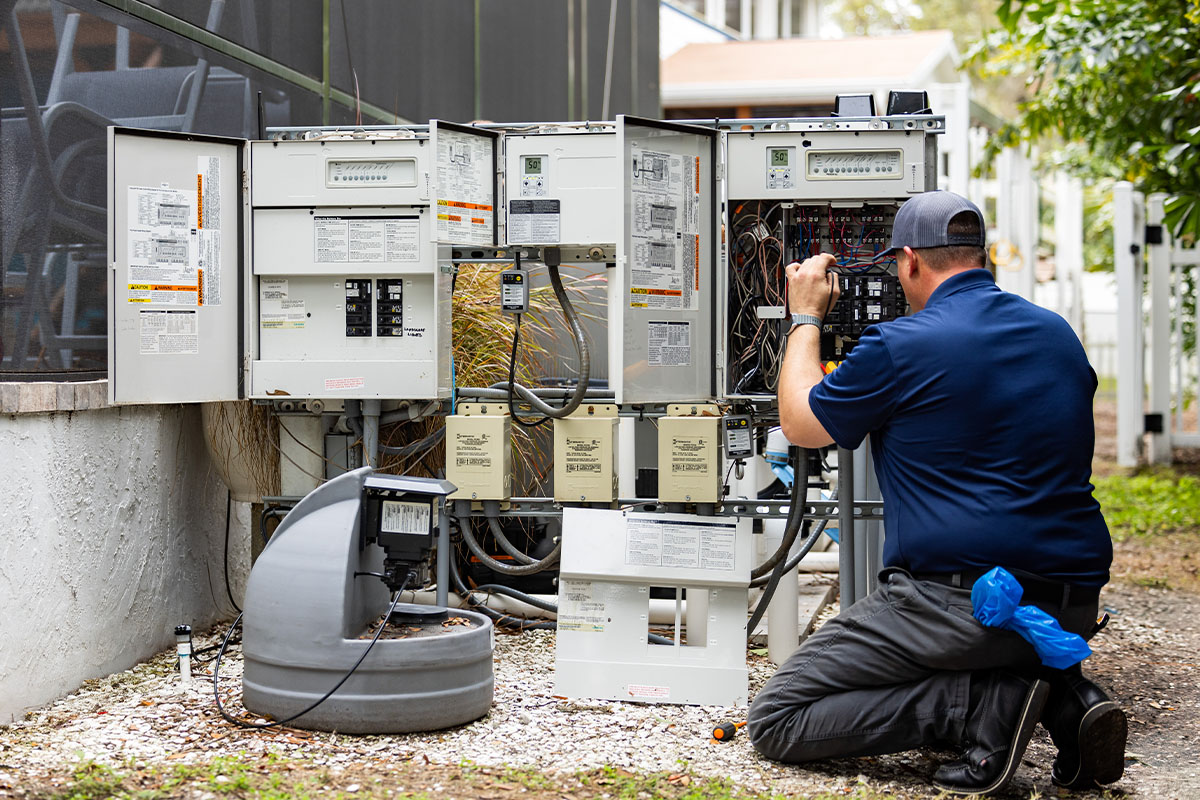
Complete Electrical Services
We handle all aspects of pool and hot tub electrical, including:
- Hot tub and spa wiring
- Pool equipment wiring for pumps and heaters
- Dedicated circuit installation
- Electrical panel upgrades and capacity checks
- Disconnect switches and safety shutoffs
- Pool and spa lighting systems
- Troubleshooting and repairs
Why Choose Blue Collar?
Hot Tub Voltage Requirements
Hot tubs generally operate on two different voltage requirements: 120v and 240v.
A unit that is powered by 120 can be connected to a regular socket. But, you still need a ground fault circuit interrupted cord to prevent shocks.
A 240v unit tends to be larger, which means it needs its own dedicated power supply. A GFCI breaker should also be installed to enable instant shutdown incase of an electrical emergency. The breaker should be within 5-10 feet from the hot tub.
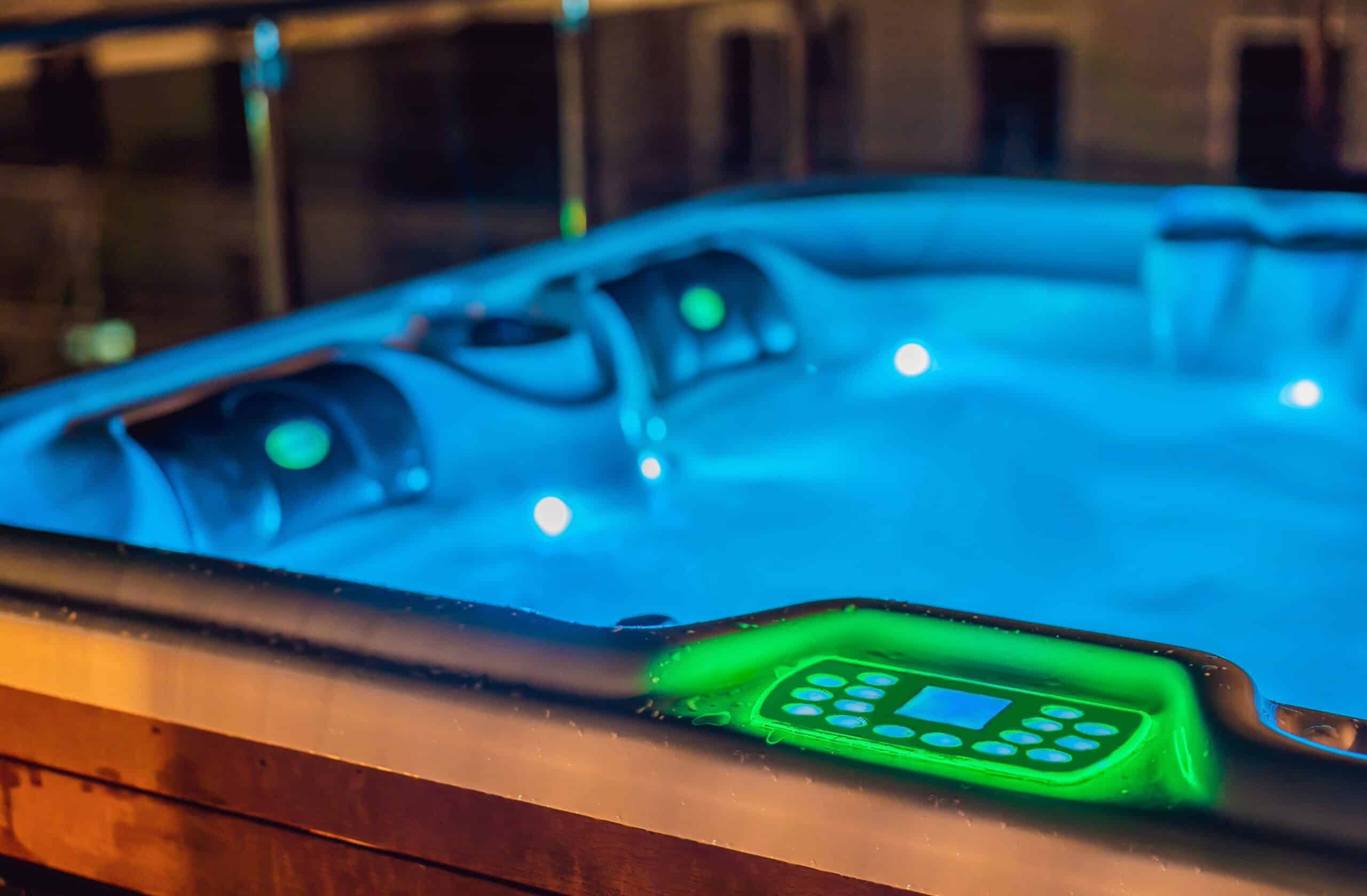
Pool Electrical Requirements
GFCI Protection
All pool and hot tub electrical must be protected by a GFCI (ground fault circuit interrupter). This device shuts off power instantly if a fault is detected, helping prevent electrical shock. GFCIs can be installed as breakers or outlets, and a Blue Collar Electric technician can determine the right option for your setup. A disconnect switch is also required and must be installed at least 5 feet from the water, within easy reach in case of emergency.
Pool Pump and Filter Power
Most pool pumps run on a dedicated 20-amp circuit and can be configured for either 120 or 240 volts. Some systems require a two-pole, 30-amp circuit depending on the setup. All pump circuits must be GFCI protected to ensure safe operation.
Underground Wiring
Underground wiring must be installed at least 5 feet from the pool or spa. The exception is wiring that directly serves pool equipment such as pumps, heaters, filters, or lighting.
Pool & Spa Lighting
Lighting adds safety, visibility, and a finished look to your outdoor space, but it needs to be installed correctly in wet environments.
We install pool and spa lighting systems that are properly sealed, correctly placed, and built to perform in Florida conditions. Whether it’s underwater lighting, accent lighting, or upgrades to older systems, we make sure everything is done safely and cleanly.
- Underwater lighting installed with proper sealing and protection
- Junction boxes positioned and sealed to meet code requirements
- Low voltage and protected lighting options
- Clean placement for a balanced, professional look
Pool, Spa, and Hot Tub FAQs
Do pool and hot tub circuits require GFCI protection?
Yes. All pool and spa circuits must have GFCI protection to immediately shut off power if an electrical issue is detected. This is a critical safety requirement for any system near water.
What is bonding and why does it matter for my pool or spa?
Bonding connects all metal components like rails, pumps, and heaters to prevent electrical differences that can cause shock. It is one of the most important safety elements in any pool or spa installation.
Do hot tubs and pools need dedicated electrical circuits?
Yes. Most hot tubs require a dedicated 240 volt circuit, and pools often require multiple circuits for pumps, heaters, and lighting. Sharing circuits is unsafe and can lead to system failure.
How far do outlets and electrical components need to be from the water?
Electrical codes require specific distances for safety. Outlets must typically be at least 6 feet from the water, and disconnect switches must be within sight but properly spaced away.
Can I install pool or spa electrical myself?
Basic maintenance like testing GFCI outlets can be done by homeowners, but installation, wiring, bonding, and panel work should always be handled by a licensed electrician. Pool and spa electrical systems are not forgiving to mistakes.
What type of wiring is required for outdoor pool and spa systems?
All wiring must be rated for wet locations and installed using proper conduit, fittings, and burial methods. Standard indoor wiring is not suitable for outdoor or underground use.
Are permits required for pool and spa electrical work?
In most cases, yes. Permits and inspections ensure your system meets safety codes. Skipping this step can lead to safety risks, insurance issues, and problems when selling your home.
What should I know about pool and spa lighting installation?
Lighting must be properly rated and installed with sealed connections and safe voltage levels. Incorrect installation can lead to performance issues or safety hazards, especially in wet environments.