24/7 Emergency Services Available
Outlet and Switch Installation & Restoration
Looking for Switch and Outlet Repair or Installation?
The small components of your electrical system play the largest role in your daily convenience and safety. Worn out outlets or outdated switches can lead to poor connections, sparking, or even electrical fires. Whether you are looking to upgrade to modern USB charging outlets, install GFCI protection for safety, or simply refresh the look of your home, our licensed electricians ensure every connection is tight and code compliant. Reach out to our team to modernize your home’s connectivity and safety.
SCHEDULE AN APPOINTMENT
How to choose a great contractor for your switch or outlet repair?
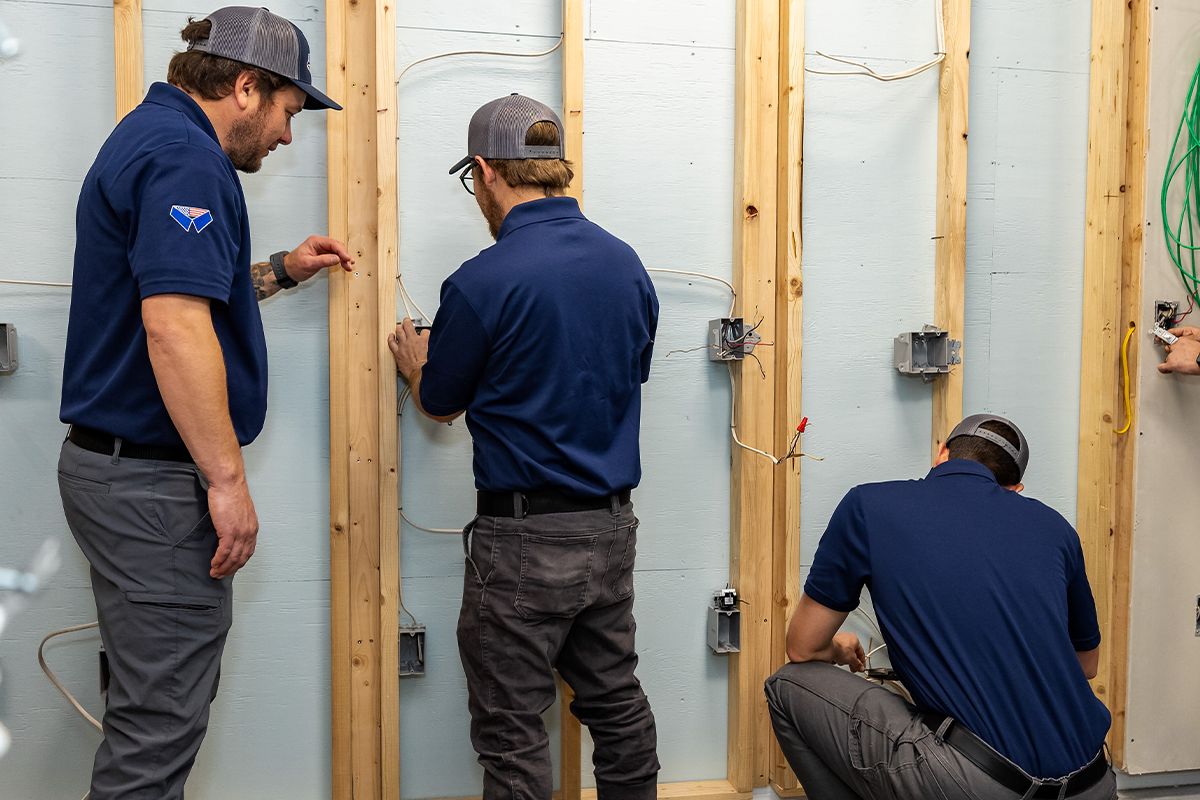
When looking for a company to handle the needed switch outlet repair as well as other electrical improvements, it is very important to conduct the needed online research. This is because doing so, allows you to identify the best electrical service providers in your area. But when the need to select which company to hire, it is important that you look at the service provider’s portfolio. Make sure to check if they were already able to provide the services you need to other customers and determine whether these were satisfactorily done or not.
For best results, go for a reliable light switch repair or installation service provider like Blue Collar Electric. We guarantee that our licensed electricians are highly-trained to do a clean and remarkable job. Blue Collar Electric also offers comprehensive maintenance packages that will keep your electrical systems running smoothly.
What Type Of Outlets And Switches Do We Install?
Outlets:
- 15 AMP Outlets
- 20 AMP Outlets
- GFCI Outlets (Ground Fault)
- AFCI Outlets (Arc Fault)
- Dryer Outlets
- Oven/Stove Outlets
- USB Outlets
- Outdoor Outlets With Bubble Covers
- Combo Outlets
- Smart Outlets
Switches:
- Light Switches
- 3-Way Switches
- 4-Way Switches
- Dimmer Switches
- Toggle Switches
- Rocker Switches
- Combo Switches
- Smart Switches
- Wifi Switches
Outlet And Switch FAQs
What Does A Light Switch Do?
A switch is designed to control the lights, fans and other various appliances in the home like a disposal. They come with a simple opening and closing mechanism that supplies and shuts the connection in an electrical circuit. When the switch is opened, the connection between the two terminals is cut, and the flow of electricity is stopped. Thus, the light attached to it is turned off. When the switch is closed, the light attached to is turned on. This is because the closing allows the terminals to establish contact and enable the electric current to flow into the circuit.
How Does A Switch Work?
There are different types of switches. Each of these has its diverse working mechanisms. Among the most popular these days are the push button, toggle, selector, proximity, photoelectric and dimmer light switches. They are all used to control light fixtures but require different inputs to deliver their purpose.
The push button type of switch is a dual position device that involves pressing and releasing. This also comes with a spring that allows its button to return to original position when turned on. It also needs to be pressed again to turn the circuit off. The good thing about the push button switch is the fact that it can easily be installed. This can be accomplished using DIY methods. However, it is strongly advised that the installation be done by a licensed and professional electrician. It should be noted that the switch is involved in cutting electric current off and when not properly installed might cause a fire.
The toggle light switch is the most commonly used type of switch. This is usually included in most electrical systems that contractors install in residential and commercial buildings. This type of switch is highly-recognized since it usually comes with a lever which is commonly angled in two positions. The angling allows the circuit to be switched on and off. The switch is also properly labelled despite its very straightforward configuration to prevent confusion on the part of the user.
The selector switch, on the other hand, is usually equipped with either a rotary knob or lever that can be adjusted to multiple positions as a way of selecting a particular switch function.
The proximity switch is regarded as a modern type of switch. It has a sensor that controls the current supplied on the circuit based on the absence and presence of an individual in the area where it is used. It is also responsible for switching the lights off when the room is empty and turn these on upon sensing the presence of an occupant. Given the said mechanism, this switch is commonly used in modern homes and proven to reduce one’s monthly power consumption significantly.
The photoelectric switch just like the proximity type is also equipped with a sensor. It is responsible for measuring the amount of light present in the surrounding areas. It activates the circuit when the area gets dim and automatically turns off when the normal light level is restored. This is usually used on light posts or street lights.
The dimmer light switch is designed to regulate the flow of current that makes a light bulb emit an adjusted amount of light and provide the needed ambience to the area where it is used.
What Is The Difference Between Pigtail Wiring vs Backstabbed Outlets?
Backstabbed outlets use spring tension to hold wires in place, while pigtail wiring connects wires together with a secure splice and a short lead attached to the outlet’s screw terminal. Over time, backstabbed connections can loosen and cause intermittent power issues or unreliable connections. Pigtailing creates a stronger, more stable connection that improves long-term safety and performance. To learn more about how these wiring methods differ and why Blue Collar chooses pigtailing, read our detailed guide on Pigtail vs Backstabbed Outlets.
Are Backstabbed Outlets Unsafe?
Backstabbed outlets are not automatically unsafe, but they rely on spring tension to hold wires in place. Over time, those connections can loosen due to heat and normal electrical use, which may lead to intermittent power issues or increased resistance at the connection point. Blue Collar prefers upgrading to more secure wiring methods, like the pigtail method, during outlet replacement to improve long-term reliability. You can learn more about the differences in our guide on Pigtail vs Backstabbed Outlet Wiring.
Why Do Multiple Outlets Stop Working At The Same Time?
In many homes, outlets are connected in sequence along the same circuit. If one outlet develops a loose or failing connection, it can interrupt power to everything downstream. Proper wiring methods such as pigtailing help isolate outlets so a single device failure does not affect the rest of the circuit. Our guide on Pigtail vs Backstabbed Outlets explains this in more detail.
How Do I Know If My Outlets Need To Be Replaced Or Upgraded?
Common signs include loose plugs, flickering lights, warm or hot outlet connections, outlets that stop working intermittently, or switches that feel worn or inconsistent. These issues are often caused by aging outlets or outdated wiring methods behind the wall. A professional inspection can determine whether your home would benefit from outlet replacement or a whole home outlet and switch restoration using modern wiring practices.