
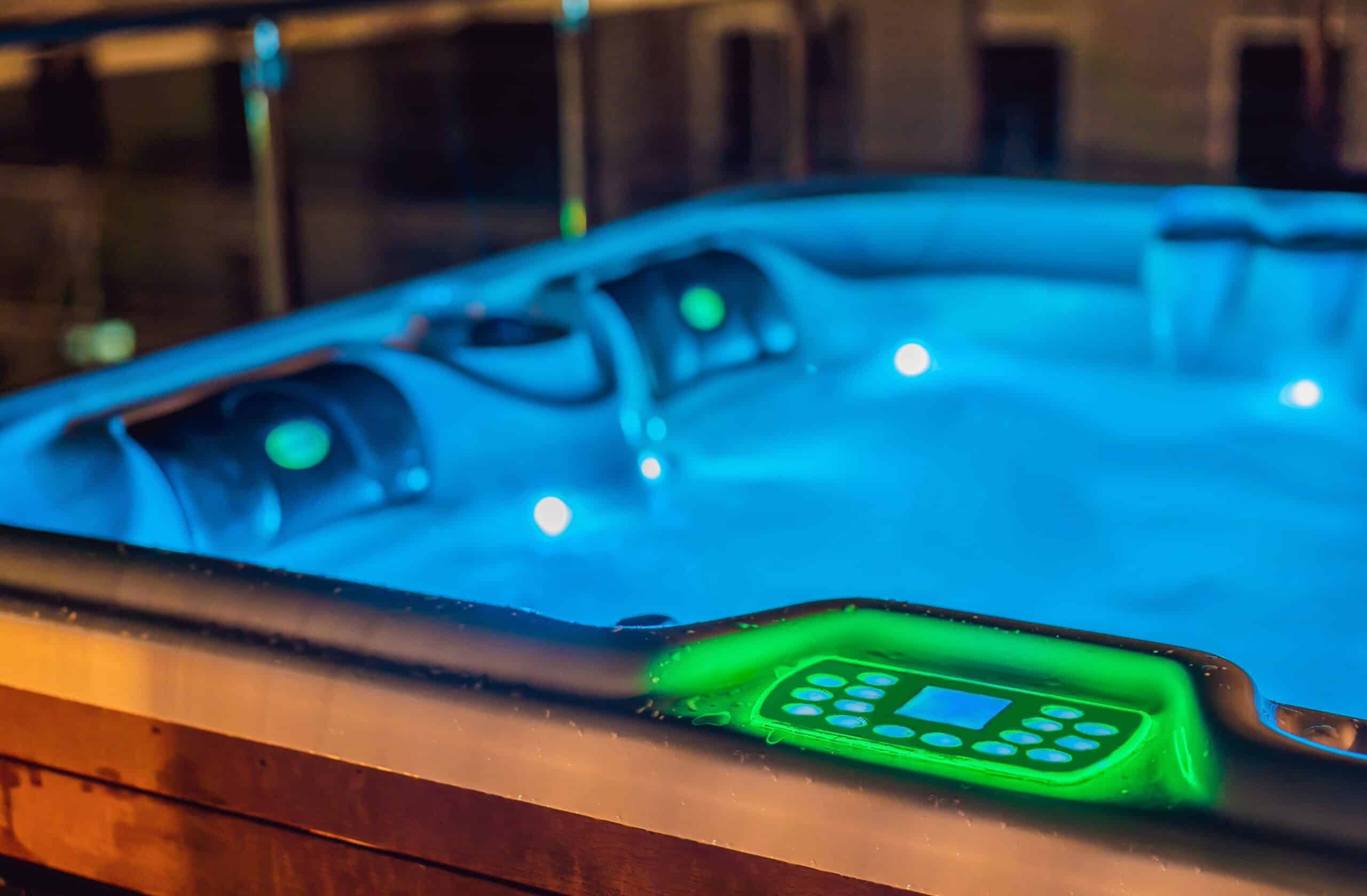
Adding a pool or hot tub is one of the best ways to enjoy your home in Tampa Bay. But behind every great setup is something most homeowners never see, the electrical system that powers it safely.
Water and electricity require careful planning, proper installation, and strict safety standards. Whether you are installing a new system or evaluating an existing one, understanding the basics can help you avoid serious issues and protect your investment.
GFCI Protection Is Non-Negotiable
Every pool and spa system must be protected by a GFCI. This device shuts off power instantly if it detects electricity going where it shouldn’t, like into water or a person.
At Blue Collar Electric, we treat GFCI protection as a critical safety requirement, not an upgrade.
Homeowners should:
- Make sure all pool and spa circuits are GFCI protected
- Test GFCI outlets monthly using the test button
- Address any tripping or non-working GFCIs immediately
If your system lacks proper GFCI protection, it is a serious safety concern.
Bonding and Grounding Protect You Around Water
Bonding and grounding work together to reduce the risk of electric shock.
Bonding connects all metal components such as rails, pumps, and heaters so they stay at the same electrical potential. Grounding provides a safe path for electricity to travel into the earth.
In our experience, we often find improper or missing bonding in older or DIY installations. This can lead to dangerous conditions, especially around water. Proper bonding and grounding are essential for a safe system.
Dedicated Circuits Keep Equipment Running Safely
Pools and hot tubs require dedicated electrical circuits to operate correctly. Most hot tubs need a dedicated 240-volt circuit. Pools often require separate circuits for pumps, heaters, and lighting.
A Blue Collar Electric technician will ensure:
- Each system has the correct dedicated circuit
- Electrical loads are properly calculated
- Your panel can safely support the equipment
Sharing circuits with other appliances can lead to overheating, equipment damage, and potential safety risks.
 Distance and Placement Rules Matter
Electrical components must be installed at safe distances from the water. These rules are part of the National Electrical Code and are strictly enforced to protect homeowners.
Key requirements include:
- Outlets placed at least 6 feet from the water’s edge
- Disconnect switches within sight but at least 5 feet away
- Proper clearance for overhead wiring
At Blue Collar Electric, we plan every installation around these requirements to ensure safety and compliance.
Outdoor Wiring Must Be Built for the Environment
Florida weather is tough on electrical systems. Heat, moisture, and storms all impact performance over time. That is why outdoor wiring must be installed with the right materials and methods.
Our team uses:
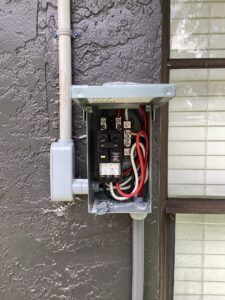
- Weather-rated boxes and sealed connections
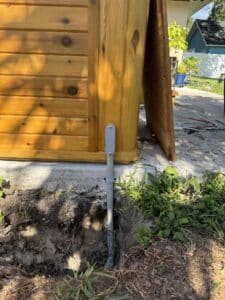
- Proper conduit and fittings
- Correct burial depths for underground wiring
Using the wrong materials or shortcuts can lead to early failure and safety issues.
 Lighting and Permits Are Often Overlooked
Pool and spa lighting has its own set of rules. Underwater lights must be properly rated and installed with sealed connections and correctly positioned junction boxes. Permits and inspections are also an important part of the process.
We handle installations to meet all local requirements so you don’t run into issues later with insurance, safety, or resale.
Built for Safety. Designed to Last.
Pool, spa, and hot tub electrical systems are not the place for shortcuts. The right setup protects your home, your equipment, and everyone using it.
At Blue Collar Electric, we design and install systems that are built for safety, performance, and long-term reliability in Tampa Bay conditions.
If you’re planning a new pool or hot tub, or want to make sure your current setup is safe, our team is here to help.