
Most homeowners rarely think about how outlets and switches are wired behind the wall. As long as the lights turn on and devices receive power, everything seems fine. However, the way electrical connections are made inside an outlet can have a major impact on safety, reliability, and long-term performance.
Two common wiring methods used in residential electrical work are backstabbed connections and pigtail connections. While both methods have been used in homes for decades, they are not equal when it comes to durability and long-term reliability. Understanding the difference helps homeowners make better decisions when upgrading or repairing their electrical systems.
What Is a Backstabbed Outlet?
A backstabbed outlet refers to a wiring method where the electrical wire is pushed into a small spring-loaded hole on the back of the outlet instead of being secured under a screw terminal on the side (pigtailing). The internal spring holds the wire in place and allows electricians to make connections quickly during installation.
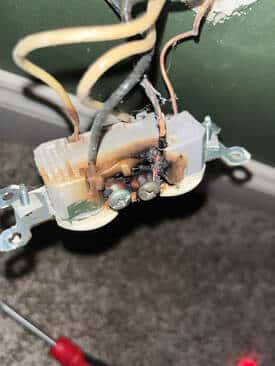
This method became common in many homes built from the 1970s through the early 2000s because it reduced installation time. While backstab connections are allowed when used with approved devices, they rely on spring tension to maintain contact. Over time, heat cycles, vibration, and normal electrical load can weaken that connection.
When connections loosen, resistance increases. Increased resistance generates heat, which can lead to intermittent power issues, flickering lights, or outlets that stop working altogether. In some cases, a single loose connection can affect multiple outlets downstream on the same circuit.
What Does Pigtailing an Outlet Mean?
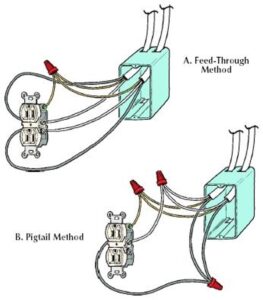
Pigtailing is a different electrical wiring approach that focuses on long-term stability. Instead of using the outlet itself as part of the circuit path, the incoming and outgoing wires are joined together with a wire connector. A short additional wire, called a pigtail, is then connected from that splice to the outlet’s screw terminal.
This means the electrical flow continues through the wire connection rather than through the outlet device itself. The outlet simply receives power instead of acting as a pass-through point for the circuit.
For homeowners, this distinction is important. If an outlet fails in a pigtailed setup, power to the rest of the circuit usually remains intact. The issue stays isolated to that one device instead of affecting multiple rooms or outlets.
Why Blue Collar Prefers Pigtailing
At Blue Collar, our electricians choose pigtailing because it creates a stronger mechanical/electrical connection and reduces stress on the outlet itself. Electrical devices naturally expand and contract slightly as they heat and cool during normal use. When the outlet is not carrying the full load of the circuit, there is less wear on the connection points.
Another benefit is easier troubleshooting. When outlets are pigtailed, diagnosing electrical issues becomes more straightforward because each device is isolated rather than part of a chain of connections.
Signs Your Home May Have Backstabbed Wiring
Many homeowners are unaware of how their outlets are wired, especially in homes that have not had electrical updates in many years. Some common signs that may indicate aging or weakened connections include:
- Flickering lights when appliances turn on
- Outlets that work intermittently
- Warm outlets or switches
- Loss of power to multiple outlets at once
- Plugs that feel loose or do not stay firmly connected
These symptoms can indicate that failing backstabbed wiring is present, and are good reasons to have your electrical outlets inspected.
Why This Matters for Tampa Bay Homes
Homes in the Tampa Bay area experience heavy electrical demand throughout the year. Air conditioning systems run frequently, modern homes contain more electronics than ever before, and outdoor living spaces often add additional electrical load. These factors increase the importance of strong, stable electrical connections.
Upgrading outlets and switches using modern wiring practices helps ensure your electrical system can handle today’s usage safely and consistently. Whether you are updating older devices, renovating a home, or addressing ongoing electrical issues, understanding how connections are made behind the wall can make a meaningful difference.
The Blue Collar Difference
At Blue Collar Electric, the goal is to build electrical systems that remain safe and reliable for years, not just systems that meet the minimum requirement on installation day. Small improvements in connection quality can significantly reduce future service issues and improve overall circuit reliability.
Backstabbed outlets were designed for speed and convenience during installation, but pigtailing focuses on stability, safety, and long-term performance.
If your home has older outlets or you have experienced inconsistent electrical performance, a professional evaluation can help identify whether upgrades or corrections are recommended. Improving connection quality today can prevent frustration and electrical issues down the road while helping your home operate more safely and efficiently. Schedule a consultation today!